


Electric Garbage Trucks: Benefits and Real-World Success in New Jersey, New York, and Connecticut
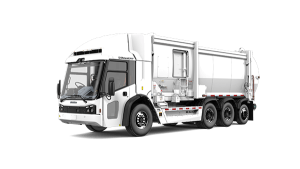 From busy city streets to suburban neighborhoods, a new kind of garbage truck is quietly – and literally – making its presence known. Electric garbage trucks are being adopted by both municipal sanitation departments and private waste haulers in the New Jersey, New York, and Connecticut tri‑state area. These battery-powered refuse trucks offer a host of realized and potential benefits: lower operating costs, reduced maintenance, zero tailpipe emissions, and a smoother, quieter experience for both operators and the communities they serve. Below, we explore how electric garbage trucks are being put to work in the tri‑state region, the cost comparisons with traditional diesel trucks, and how modern technology in these vehicles is simplifying waste collection.
New Jersey: Pioneering Deployments of Electric Refuse Trucks

Jersey City’s Early Leadership: New Jersey saw one of the nation’s first major rollouts of electric refuse trucks in late 2021 when Jersey City put five battery-electric garbage trucks into service. According to the manufacturer, this was the first deployment of electric garbage trucks in NJ – and at the time the largest such fleet in the United States. The city procured these trucks with the help of a $2 million state grant aimed at cutting pollution from heavy vehicles. The trucks came in two sizes: two are full-size 25-cubic-yard rear loaders and three are 10-cubic-yard models for tighter routes. The larger trucks carry 280+ kWh battery packs, sufficient for about 600 pick-ups plus 60 miles of range on a single charge – enough for a full residential route. They can fast-charge in 2–2.5 hours, making them feasible for daily use.
Real-World Use in NJ: Jersey City’s electric garbage trucks have been used in regular duty cycles, primarily for daytime collection in parks, business districts, and supplemental rounds. This allowed the city to replace some of its oldest, most polluting diesel trucks without interrupting the main residential collection (which is handled by a private vendor). The early feedback was positive: drivers noted the electric trucks deliver strong torque and a smoother ride, with quiet and pollution-free operation across the city. The success in Jersey City has paved the way for others. In fact, New Jersey’s clean energy programs are now helping many other communities and companies electrify their fleets. In 2023 the state awarded $70 million in grants (from the RGGI clean air program) to fund electric heavy vehicles, including garbage trucks, for dozens of municipal fleets and even a major waste company[1]. This funding is enabling towns like Lawrence Township and Manchester Township to acquire their first electric refuse trucks, and helped Waste Management of New Jersey purchase two electric garbage trucks for its fleet[2]. With strong state support, New Jersey is rapidly moving toward cleaner trash collection across both public and private sectors.
New York: Big City Trials and Private Hauler Adoption
New York City’s Ambitious Move: New York City’s Department of Sanitation (DSNY), the largest sanitation department in the world, has been testing and embracing electric garbage trucks as it strives to meet a goal of a zero-emissions fleet by 2040. DSNY received its first Mack LR Electric truck in 2020 for a nearly year-long pilot program. The results were encouraging – the electric truck was able to complete a full day of trash collection on a single charge, meeting the city’s operational requirements. Based on the pilot’s success, DSNY ordered seven Electric models (one for each city zone or borough) to put into regular service. These trucks are extremely quiet and emit no exhaust, a major plus in densely populated neighborhoods. “The Electric model demonstrator is performing well, and we look forward to when we have one in each of our city’s zones,” said the DSNY Commissioner, underscoring both the performance and the agency’s commitment.

Yonkers and Other Municipalities: Outside NYC, other New York municipalities are also exploring electric garbage trucks. In late 2022, the City of Yonkers tested a Mack electric garbage truck on its hilly West Side routes. Mayor Mike Spano reported that the truck “performed well on our noteworthy hilly terrain” and delivered exactly what they hoped: cleaner air, less noise in the neighborhoods (especially during early morning pickups), and the promise of lower fuel and maintenance costs if adopted city-wide. Yonkers hasn’t purchased one yet, but the successful demo showed that EV trucks can handle the same routes as diesel trucks even in challenging topography. Elsewhere in New York, a number of other city and county public works departments are watching these trials closely or starting their own pilots as they plan for fleet upgrades in the coming years.
Private Haulers Joining In: The push for electric refuse trucks isn’t limited to government fleets. Private waste hauling companies in New York are also beginning to adopt EV garbage trucks, spurred in part by upcoming regulations. Under New York City’s new commercial waste zone system, private carters will be required to make at least 50% of their collection trucks zero-emission by 2030 (and 100% by 2040)[. This has set the stage for significant investment in electric trucks by the industry. One notable example is Interstate Waste Services (IWS), a major regional hauler: In July 2025, IWS’s subsidiary Action Carting deployed its first all-electric garbage truck in Manhattan. The company chose a Mack LR Electric and even partnered with Sesame Workshop to feature Oscar the Grouch on the truck, using the rollout as a public education opportunity about recycling and sustainability[4]. According to IWS, the new electric truck has advanced battery capacity and regenerative braking, allowing it to recapture energy from frequent stops to extend its range and reduce brake wear. It is also much quieter than diesel trucks and produces zero tailpipe emissions, improving air quality along its route. In fact, unlike most garbage trucks that operate overnight, this one runs a highly visible daytime route on the Upper East Side specifically to showcase the technology’s benefits to the public. Private companies are finding that electric refuse trucks not only help meet environmental goals and compliance requirements, but can also improve community relations and brand image by demonstrating a commitment to clean operations. With multiple NYC commercial haulers now placing orders for electric models, the private sector is clearly gearing up for an electric future in waste collection.
Connecticut: First Steps Yield Impressive Results
Connecticut’s communities are also beginning to benefit from electric refuse collection. In July 2024, the City of New Haven unveiled Connecticut’s first

battery-electric garbage truck – a shiny new 2024 model used for both trash and recycling pick-up. Mayor Justin Elicker proudly announced, “New Haven is green and getting even greener,” as the truck was put into service. This vehicle (a Battle Motors LET2 EV rear-loader) operates on a daily route, five days a week for about 5 to 7 hours per day, with the capacity to run up to 9 hours if needed. It carries a 400 kWh battery pack, giving it a full shift of runtime on a charge. The city installed a Level 2 charger at the public works garage that can fully recharge the truck in around six hours overnight, and plans to add DC fast charging to reduce that time further.
Cost and Savings in New Haven: The economics of New Haven’s electric trash truck offer a compelling case study. The upfront purchase price for the EV was about $616,000 – roughly 50% higher than a comparable diesel truck (which would be around $416,000). However, thanks to an array of state and federal incentives, New Haven didn’t shoulder that full cost. After securing grants and subsidies (including funds from Connecticut’s Department of Energy and Environmental Protection and federal programs), the city’s actual cost came to $336,000. In other words, the electric truck ended up costing the city significantly less than a new diesel would have. And once in operation, the savings really begin to mount. Officials project about $15,000 per year in fuel savings, since charging the truck’s batteries is far cheaper than filling a diesel tank. On top of that, they expect at least $11,500 in annual maintenance savings – a diesel garbage truck typically incurs $15,000–30,000 in maintenance and repairs a year, whereas an electric truck has far fewer moving parts and should cost only around $3,500 a year to maintain. Add those figures up over the vehicle’s 15-year lifespan, and New Haven anticipates the electric truck will pay for itself fully through fuel and maintenance reductions. In effect, the city gains a quieter, cleaner vehicle for no greater lifetime cost than the noisy diesel it replaces. It’s also worth noting that Connecticut provided substantial grant support for this project (through a Diesel Emissions Reduction Act program), recognizing the environmental and health benefits. This kind of funding made it much easier for New Haven to justify the purchase and is likely to be replicated for other municipalities in the state going forward.
Community and Environmental Impact: New Haven’s electric garbage truck has been warmly received by the community. Residents immediately noticed that it makes far less noise – during the launch event, the truck was powered on and those nearby could barely hear a hum. This quiet operation is a welcome change, especially on early morning routes in residential areas. City officials also highlighted the direct health and environmental benefits: Over a year, this single electric truck is estimated to eliminate over 65 metric tons of CO2 emissions compared to a diesel, equivalent to removing about 14 gasoline cars from the road. More importantly for local air quality, heavy-duty diesel vehicles like trash trucks produce a disproportionate share of smog-forming pollutants; by going electric, the city is cutting emissions of nitrogen oxides and particulate matter that contribute to asthma and heart disease in the community. New Haven, unfortunately, has high asthma rates and often struggles with ozone pollution, so this initiative is a tangible step toward cleaner air. The message “This all-electric truck helps residents breathe cleaner air” is proudly displayed on the side of the vehicle, emphasizing the city’s commitment. Following New Haven’s lead, other Connecticut towns are looking into electrifying their public works fleets as well. With state programs and regional initiatives encouraging fleet electrification, we can expect more CT garbage trucks to go electric in the next few years, bringing similar cost savings and community benefits.
Cost Comparison: Electric vs. Diesel Garbage Trucks
*NOTE: There are many state and federal grants that will help today’s private hauler or municipality get into EV GARBAGE trucks for less than comparable diesel models. Take a look at these below
- EPA Clean Heavy-Duty Vehicles Program
- EPA Diesel Emissions Reduction Act (DERA)
- IRS EV Credits Overview
- NYTVIP – NYSERDA
- Joint Utilities of NY – MHD Make-Ready
- NYC Clean Trucks Program
- NJ ZIP – NJEDA
- NJ Clean Energy EV Programs
- NJDEP It Pay$ to Plug In
- CT DERA Program – DEEP
- CT VW Mitigation Program
When evaluating electric garbage trucks, it’s important to consider the full range of costs over the vehicle’s life. While the sticker price is higher than a diesel truck today, multiple factors can make the total cost of ownership (TCO) of an electric refuse truck equal or lower in the long run. Here is a breakdown of key cost elements and how electric and diesel garbage trucks compare:

- Upfront Acquisition Cost: A typical Class 8 diesel trash truck (the kind used for residential or commercial collection) might cost on the order of $350,000–$450,000. The electric equivalent can range roughly from $500,000–$700,000, depending on the model and battery capacity. For example, New Haven’s new electric truck had a list price of about $616k versus roughly $416k for a new diesel. The higher upfront cost of EVs reflects the expensive battery and electric drivetrain. However, buyers should factor in incentives: government grants, clean energy funding, and tax credits can substantially offset the difference. The federal Inflation Reduction Act offers up to a $40,000 tax credit per heavy electric truck, and state programs in places like New York and New Jersey have provided hundreds of thousands of dollars per vehicle in subsidies. In many cases (as in New Haven’s), these incentives bring the purchase price of an electric garbage truck down to near-parity with, or even less than, a diesel.
-

An EV refuse truck proactically pays for itself. With over $360,000 of fuel savings over a decade, the savings must be factored into the purchase price. Fuel vs. Energy Costs: Garbage trucks consume a lot of fuel – diesel trucks often get very low miles per gallon due to constant stopping, idling, and heavy loads. Electric trucks replace diesel fuel with electricity, and the difference in “fuel” cost is a major advantage. On average, electricity (even accounting for charging efficiency) is much cheaper per mile of operation. As noted, New Haven expects to save around $15,000 per year in fuel costs by using electricity instead of diesel for one truck. In another analysis, the City of Ocala, Florida calculated that their electric refuse truck costs only about $30 worth of electricity to run for a full day’s route, versus approximately $175 of diesel for the same route with a traditional truck. That translates to a nearly 80% reduction in “fuel” expense – almost $38,000 in savings per truck per year in Ocala’s case. Actual savings will vary based on local energy prices and usage patterns, but in all reported pilots so far, the energy cost per collection route for EVs has been significantly lower than diesel. Fleet operators can also take advantage of off-peak electricity rates by charging trucks overnight, further reducing costs. Plus, an electric truck effectively “refuels” at the depot, so there’s no need for drivers to spend time at gas stations – the trucks start each day with a full charge.

- Maintenance Costs: Maintenance is another area where electric garbage trucks shine. A conventional diesel trash truck has a complex engine and

Partial List of Parts of a Class 8 Refuse truck. Throughout the life of the truck, 20-30% of these components will FAIL – and they are not cheap. DEF problems alone are enough to buy a new Volterra! powertrain with hundreds of moving parts that require regular service: oil changes, filter replacements, transmission service, exhaust system maintenance, and so on. Electric refuse trucks, by contrast, have no engine oil, no fuel or oil filters, no transmission or clutch, and far fewer fluids and components to wear out. As one industry expert explained, “No more oil or oil filter changes are required. Fuel filters, belts, hoses, radiator fluid, transmission fluid and filter changes are all gone” on a battery-electric truck. The maintenance that remains is largely focused on the tires, suspension, brakes, and body (which are common to any truck). Even brakes last much longer on an EV because regenerative braking slows the vehicle and significantly reduces brake pad wear. All told, electric refuse trucks tend to spend more days on the road and fewer in the shop. Jersey City, for instance, expects more uptime and lower maintenance bills from its electric trucks, and New Haven’s projections of ~$3,500 in annual maintenance for their EV vs. up to $30,000 for the diesel illustrate this point well. Less maintenance not only saves money, but also simplifies operations – mechanics can focus on a smaller set of upkeep tasks, and the risk of unplanned breakdowns (from engine or transmission failure) is reduced.

- Total Cost of Ownership (TCO): When you combine lower fueling and maintenance expenses over the lifespan of a garbage truck, the savings can more than make up for the higher upfront purchase price of an electric model. For many fleet buyers, TCO is the key metric. Taking a hypothetical 12- to 15-year service life, an electric garbage truck might save tens of thousands of dollars per year (fuel + maintenance), which over time can accumulate into hundreds of thousands saved. New Haven’s analysis showed that even if the EV truck cost nearly $200k more to buy, the lifecycle savings would recoup that and actually lead to net savings over 15 years. Similarly, a private hauler calculating costs will find that reduced diesel consumption, less engine maintenance, and longer component lifetimes all contribute to a lower cost per mile or per pick-up. Additionally, electric trucks may enjoy longer useful lives since electric motors and batteries (if maintained or replaced) can keep the vehicle running efficiently beyond the typical retirement age of a diesel engine. There are also “soft” cost factors: avoiding the volatility of diesel fuel prices, and mitigating the risk of future emission-related fees or restrictions. When incentives are factored in, the business case becomes even stronger. In short, while an electric garbage truck requires a larger investment up front, it can pay dividends over time – often breaking even in total cost after just a few years of operation and then continuing to deliver savings.
Conclusion
The experiences in New Jersey, New York, and Connecticut make one thing clear: electric garbage trucks are not only viable – they’re often a superior solution for waste collection in today’s cities and towns. Early adopters in the tri‑state area have shown that these trucks can handle real-world routes, from dense urban neighborhoods to suburban streets, with performance that meets the demands of the job. At the same time, they deliver tangible benefits: quieter streets, cleaner air, and a better working environment for sanitation crews. For municipalities, investing in electric refuse trucks can help achieve climate action goals and reduce operating costs over the long term. For private waste haulers, they offer a way to attract eco-conscious customers, comply with emerging regulations, and improve profitability through fuel and maintenance savings.
The transition does come with challenges – higher upfront costs, the need for charging infrastructure, and continuing advancements in battery technology – but the trajectory is clearly set. Each new generation of electric trucks is bringing greater range, faster charging, and lower costs. Governments are providing significant support to ease the transition, and manufacturers are ramping up production to meet growing demand. What we are witnessing in places like Jersey City, NYC, and New Haven is the beginning of a broader transformation of the waste industry. As one public works director put it upon receiving their first EV garbage truck, “Hopefully it’s a sign of things to come.”
For any business or municipality considering the switch, the case for electric garbage trucks is stronger than ever. They simplify operations, reduce total cost of ownership, and deliver benefits that align with both community values and environmental responsibility. Making the shift to electric garbage trucks – whether for residential neighborhood routes or heavy-duty commercial waste hauling – is an investment in a quieter, cleaner, and smarter future for waste management. The trash trucks of tomorrow are on the streets today in the tri‑state area, and they’re proving that doing the right thing for the environment can go hand-in-hand with efficient, effective service.
References
- NJ.com News (via GovTech) – Nyah Marshall, “N.J. Communities Get $70M for Electric Buses, Garbage Trucks,” NJ Advance Media, April 5, 2023. (Funding from RGGI for electric heavy vehicles in NJ)
- NJ EDA Grant Awards – New Jersey Economic Development Authority, 2023 RGGI Award list (included grants for Lawrence Twp, Manchester Twp, and Waste Management of NJ to purchase electric garbage trucks).
- Waste Dive – Cole Rosengren, “5 issues to watch as New York reshapes its commercial waste system,” March 6, 2023. (NYC commercial waste zone contracts include requirement for 50% zero-emission trucks by 2030 and 100% by 2040).
- NJBIZ – Kimberly Redmond, “IWS taps Oscar the Grouch to launch 1st electric garbage truck,” NJBIZ, July 1, 2025. (Interstate Waste Services/Action Environmental deploying a Mack LR Electric in NYC with Sesame Street partnership).
- Jersey City Times – Aaron Morrill, “Jersey City’s Garbage Trucks Go Electric,” Nov. 16, 2021. (First deployment of electric refuse trucks in NJ and largest in US at the time; 5 BYD trucks, grant funding, range and battery details).
- Mack Trucks Press Release – “New York City Department of Sanitation to Purchase Seven Mack® LR Electric models,” June 29, 2021. (DSNY ordering 7 Mack electric trucks after successful pilot; quiet zero-emission trucks to help meet 2040 goals).
- Commercial Carrier Journal – Vesna Brajkovic, “NYC electric truck scores big on trash collection,” CCJ Digital, Jan. 9, 2023. (DSNY pilot results: electric truck met full-day collection expectations; snow-plowing limitation ~4 hours; plans for battery improvements).
- Westfair (Yonkers Ledger) – Peter Katz, “Yonkers tests electric garbage truck,” Westchester County Business Journal, Jan. 7, 2023. (Demo of Mack LR Electric in Yonkers; quote from Mayor on performance, cleaner air, less noise, expected cost-effectiveness).
- New Haven Independent – Asher Joseph, “City Unveils First Electric Trash Truck,” July 16, 2024. (New Haven’s Battle Motors electric truck launch; cost $616k vs $416k diesel, subsidies to $336k; saving $15k fuel and $11.5k+ maintenance yearly; 9-hour battery, quiet operation, 65 ton CO2 reduction, health benefits).
- Waste Today Magazine – “5 questions about electric refuse trucks” (Michael Stafford, BYD America), March 10, 2023. (Industry Q&A on EV refuse trucks: quiet operation, regenerative braking saving brakes, no oil or filters needed, maintenance and TCO advantages).
- Heil Environmental Press Release – “Heil RevAMP Electric Refuse Collection Body Improves Sustainability…” Oct. 19, 2022. (Ocala, FL deployment of electric side-loader: fuel cost $175/day diesel vs $30/day electric; ~$37.7k annual fuel savings; electric body reduces noise and maintenance).
- Rizon Truck Journal – “All Electric Garbage Trucks with the RIZON Brand,” Mitsubishi Fuso (Daimler) Rizon, 2025. (Benefits of electric trucks: maneuverability, regenerative braking extends brake life, quiet operation leads to fewer resident complaints).